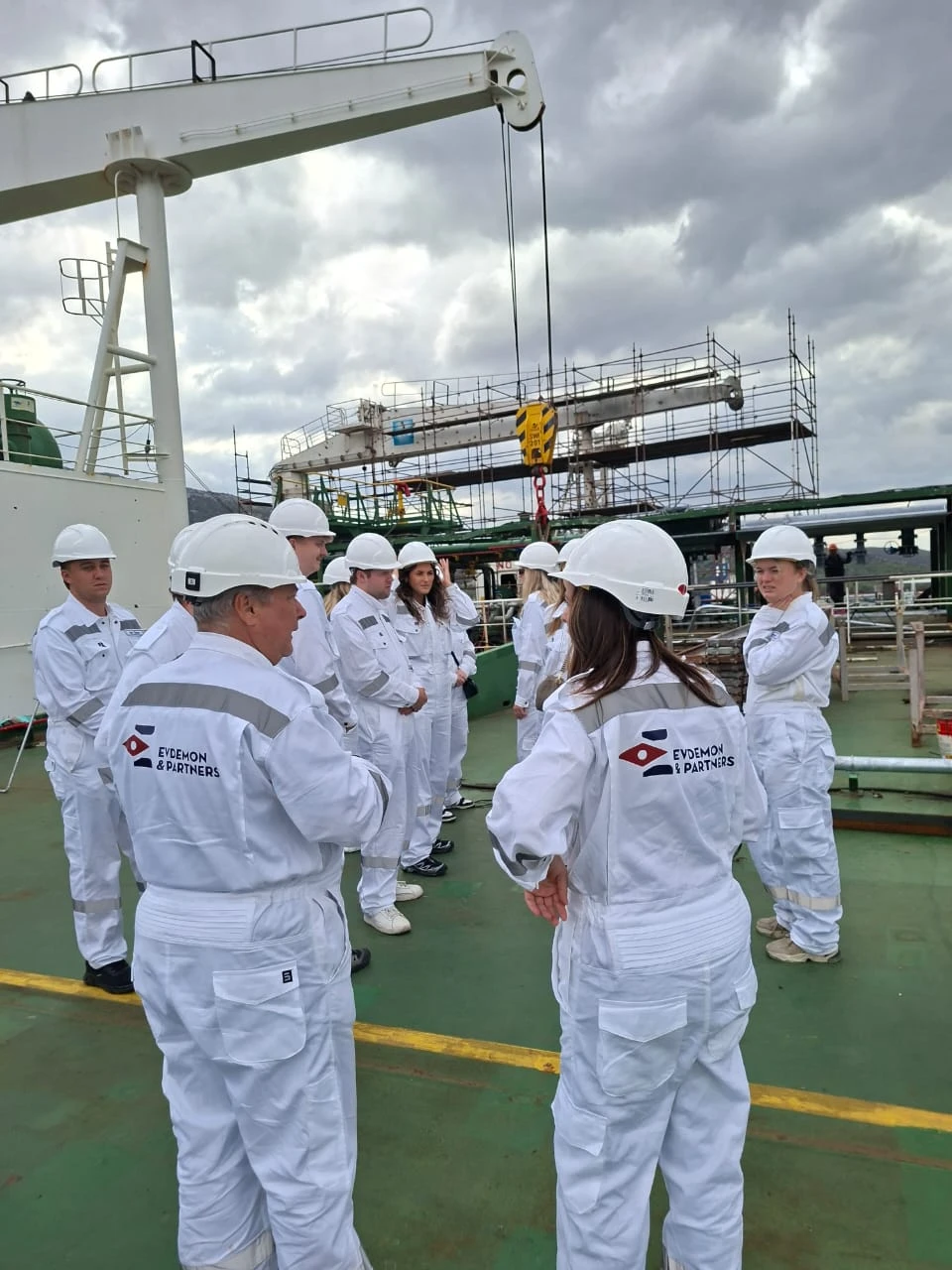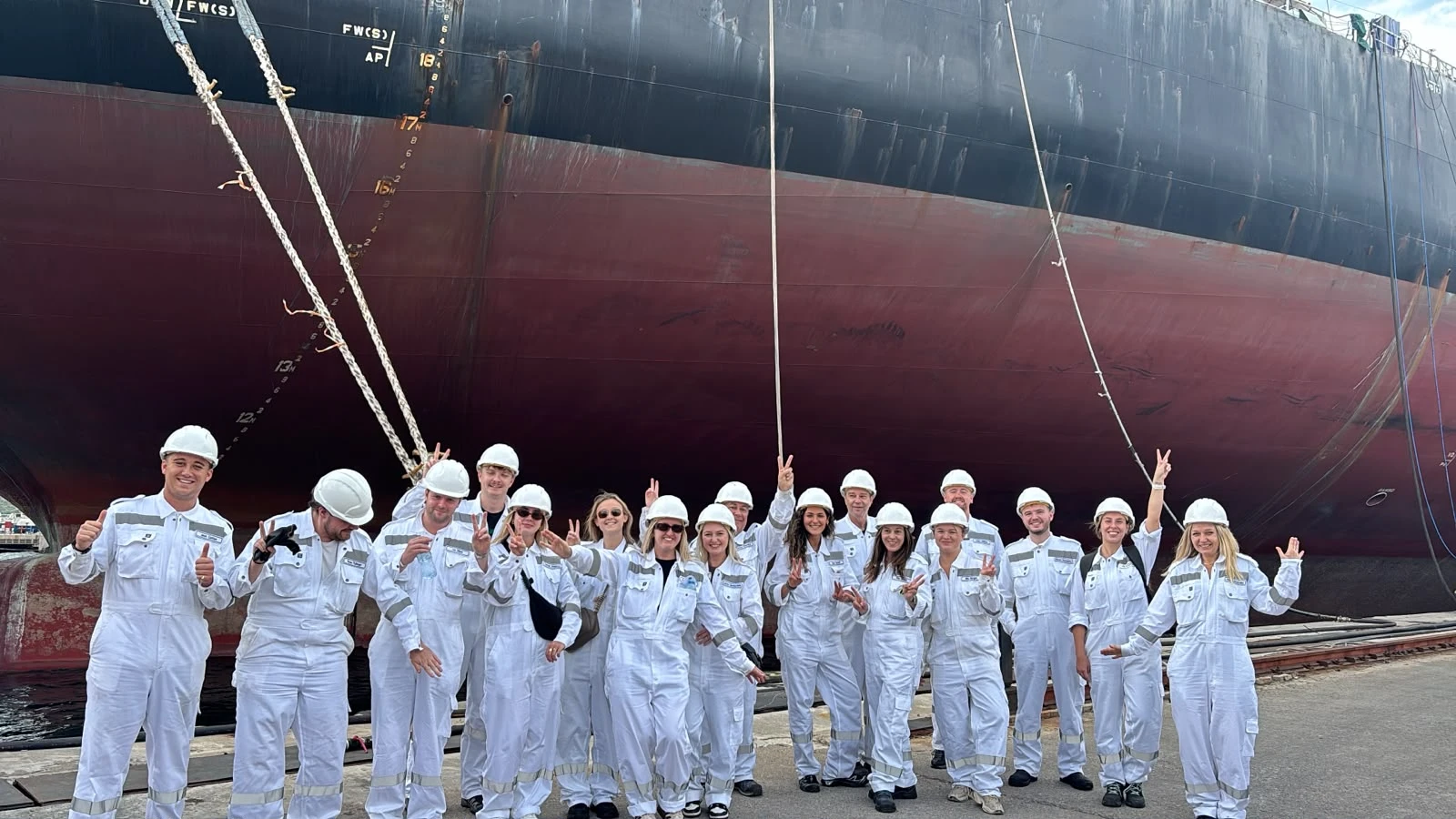
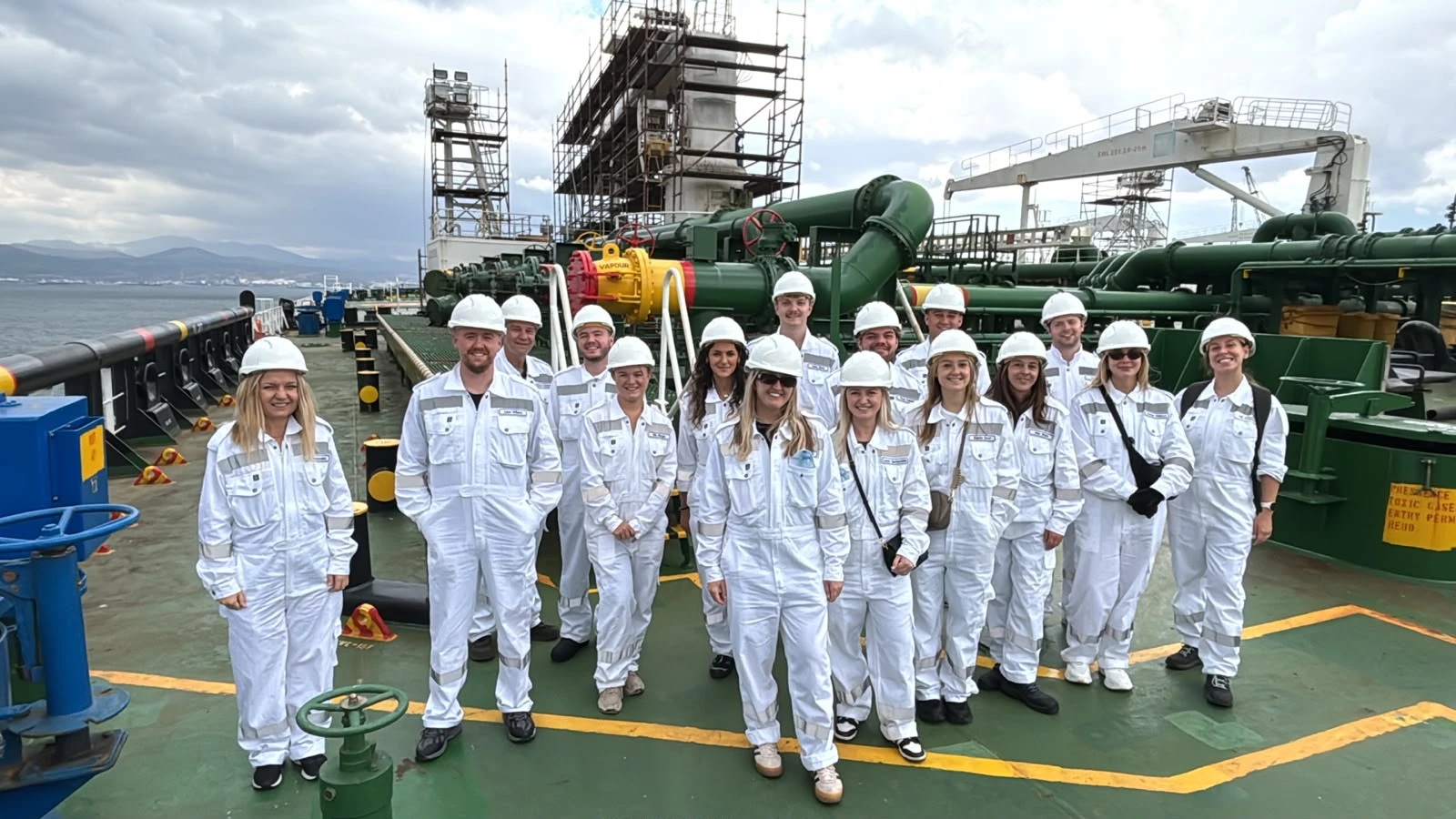
The Evdemon & Partners 2026 Survey Familiarization Course, brought together professionals from the global marine insurance industry for a series of technical visits to some of Greece’s leading shipyards and marine engineering facilities. The course offered to the 14 participants a valuable opportunity to step beyond theoretical knowledge and gain first-hand insight into vessel operations, ship repair, machinery, and the technical challenges associated with marine casualties and insurance claims under the guidance of two of our Senior Surveyors Stelios Paterakis and Manolis Christonakis.
From vessel damage to repair in practice
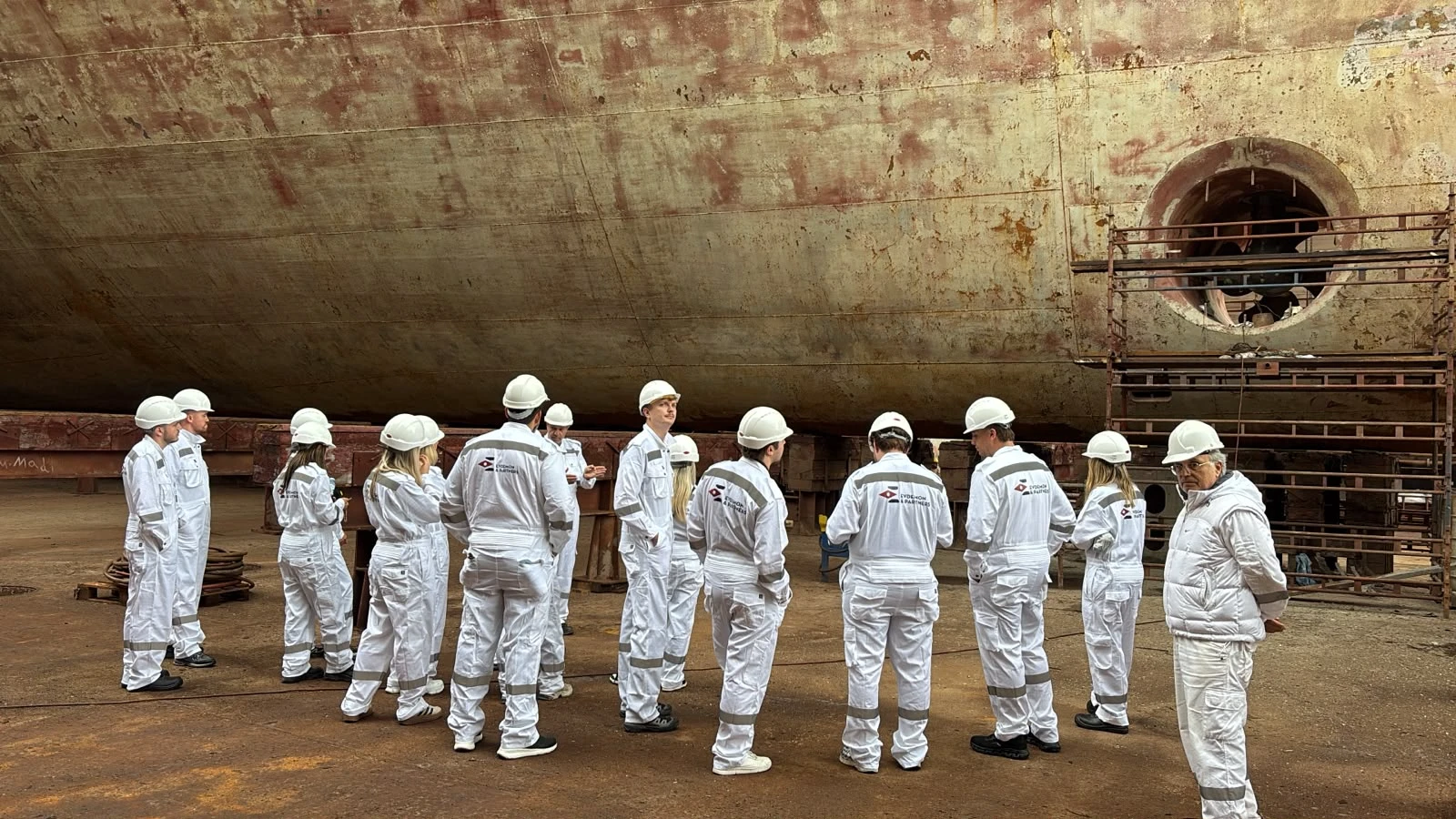
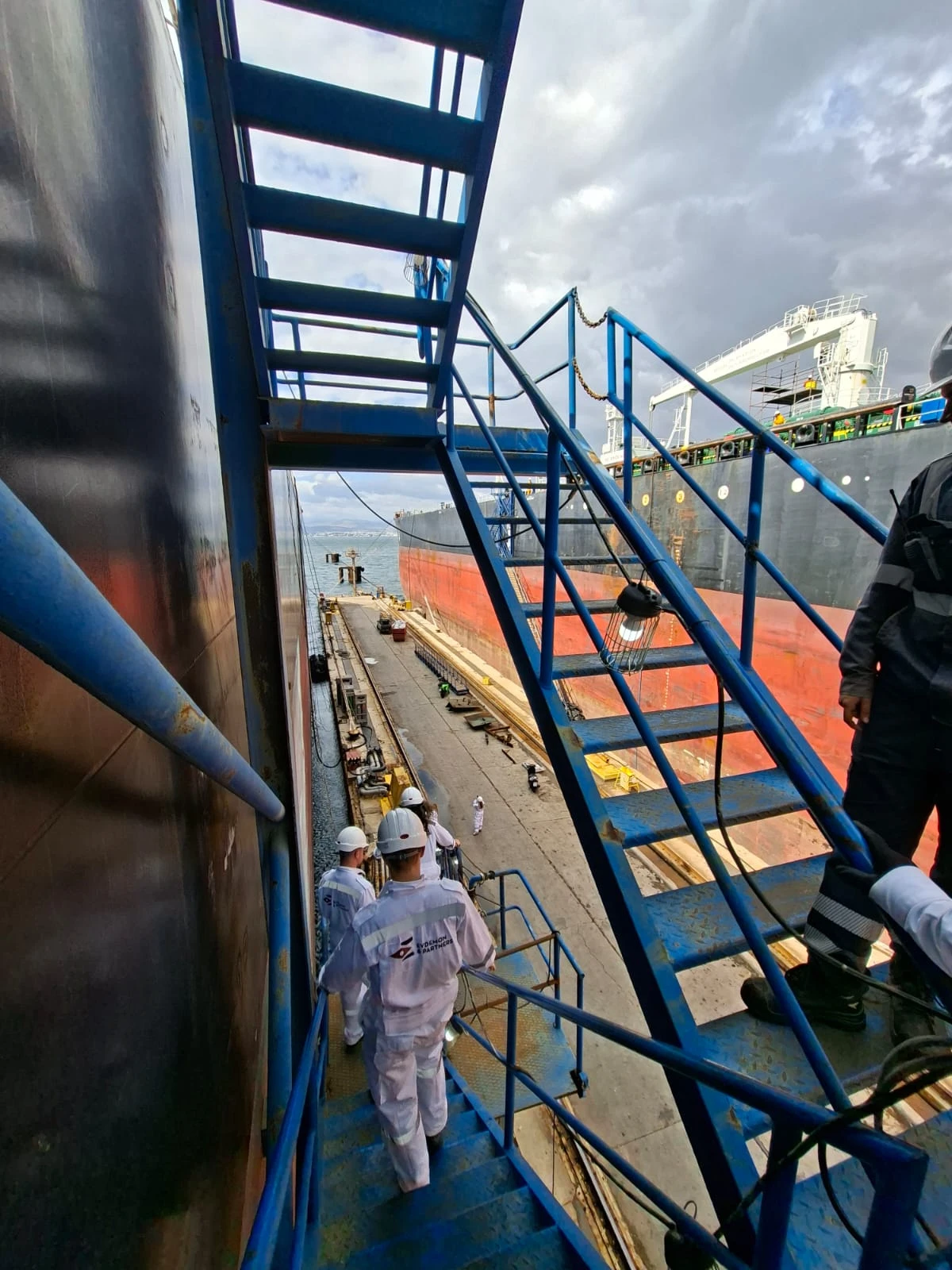
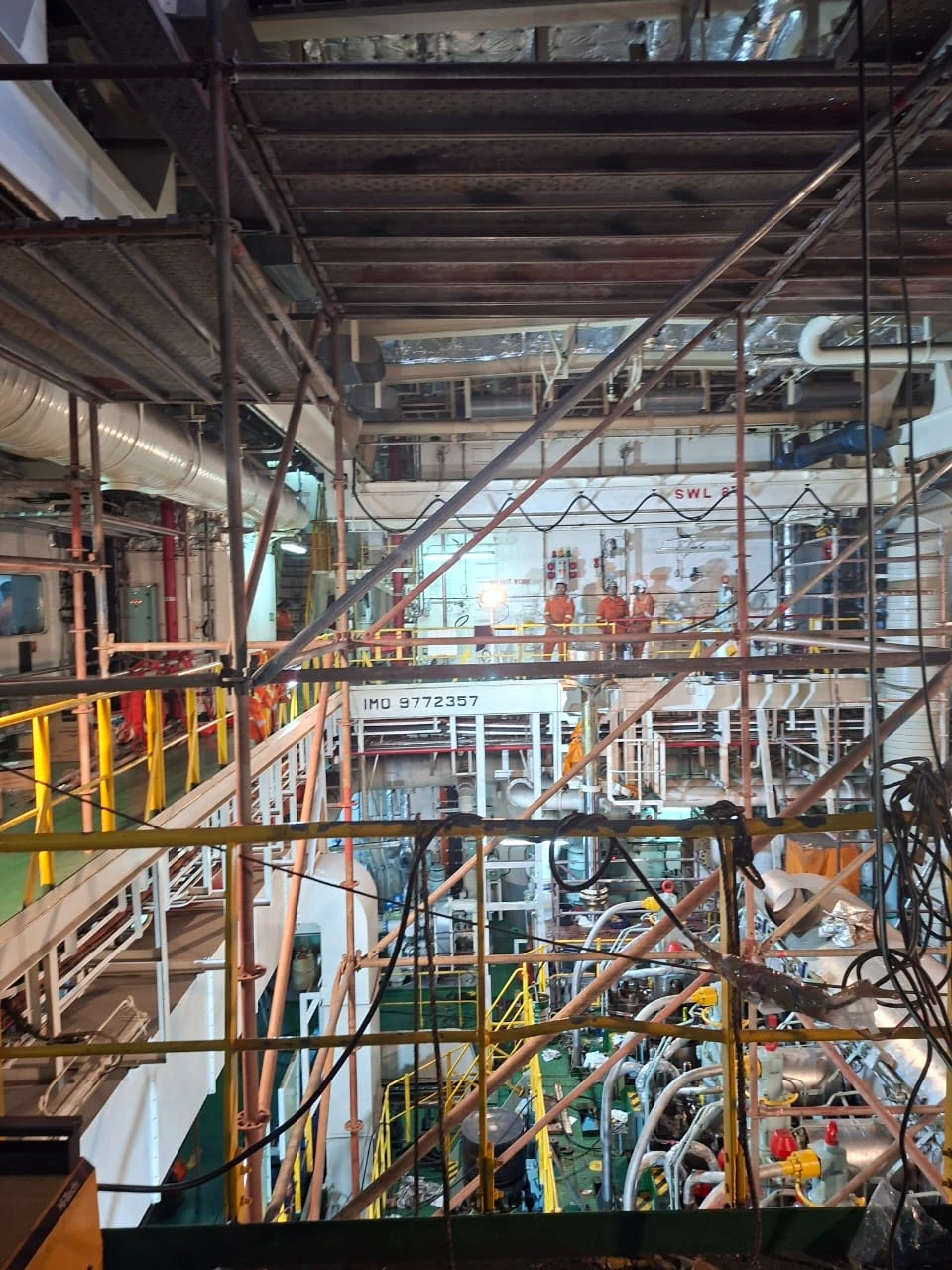
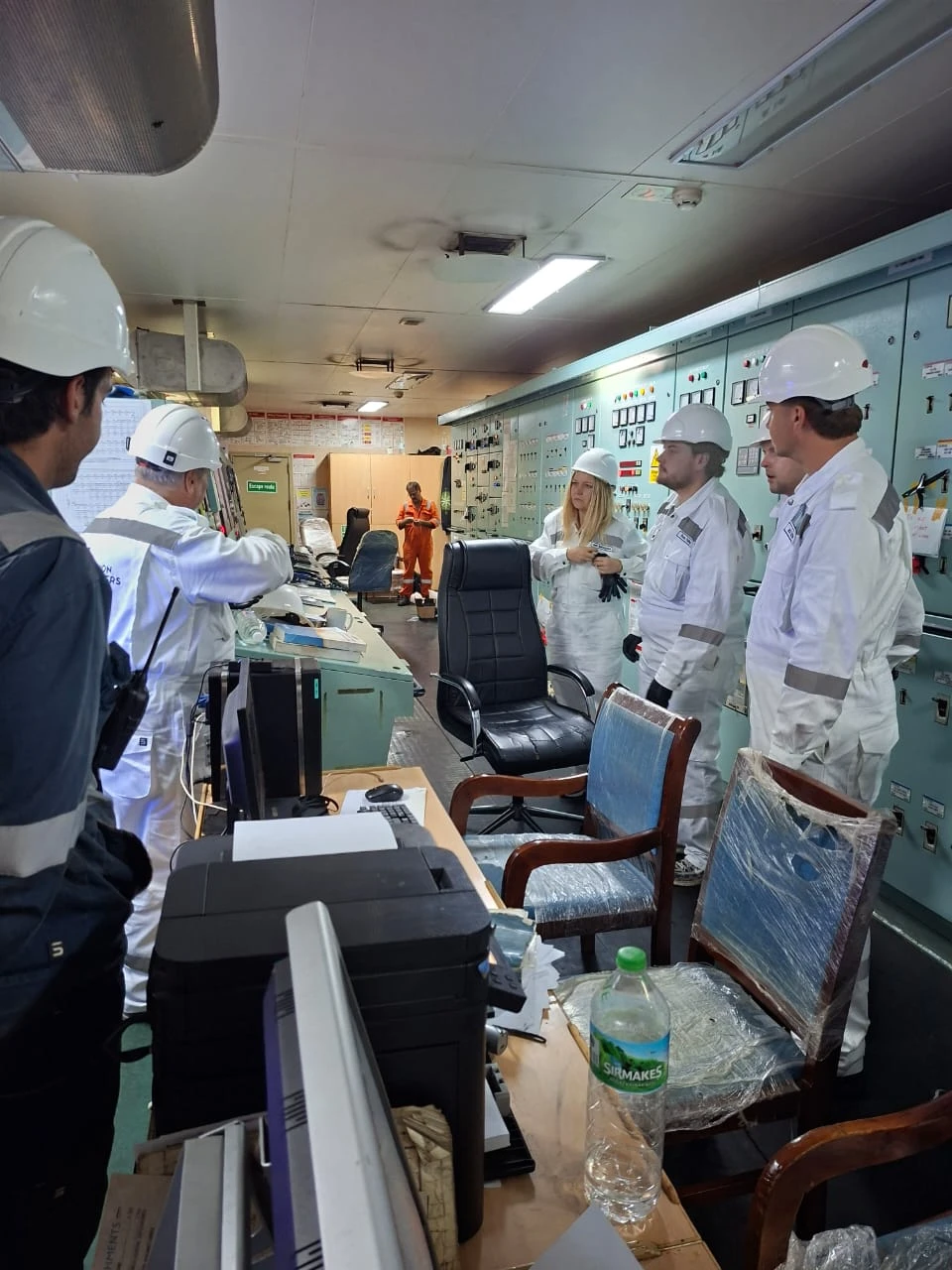
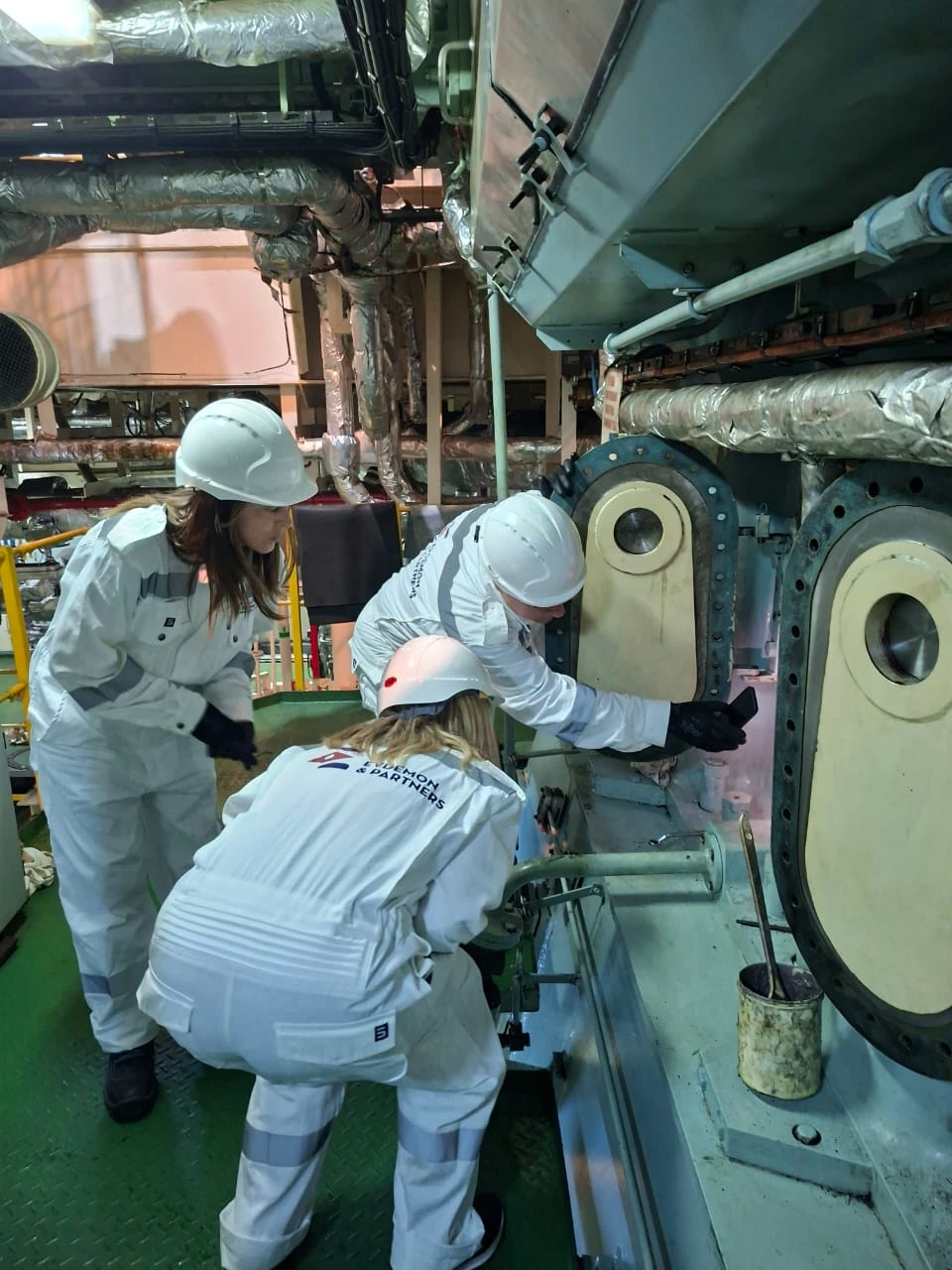
Starting at ONEX Elefsis Shipyards, participants boarded a handy-sized bulk carrier undergoing extensive steel repairs to its cargo holds following fire damage sustained during cargo loading operations. The visit included also affected hatch covers and deck crane, as well as guided tours of the navigation bridge, engine room and main engine. The group also explored the shipyard’s steel, pipe and machining workshops and visited a floating dock, gaining a closer understanding of vessel maintenance, underwater hull arrangements and the practical considerations involved in ship repair.
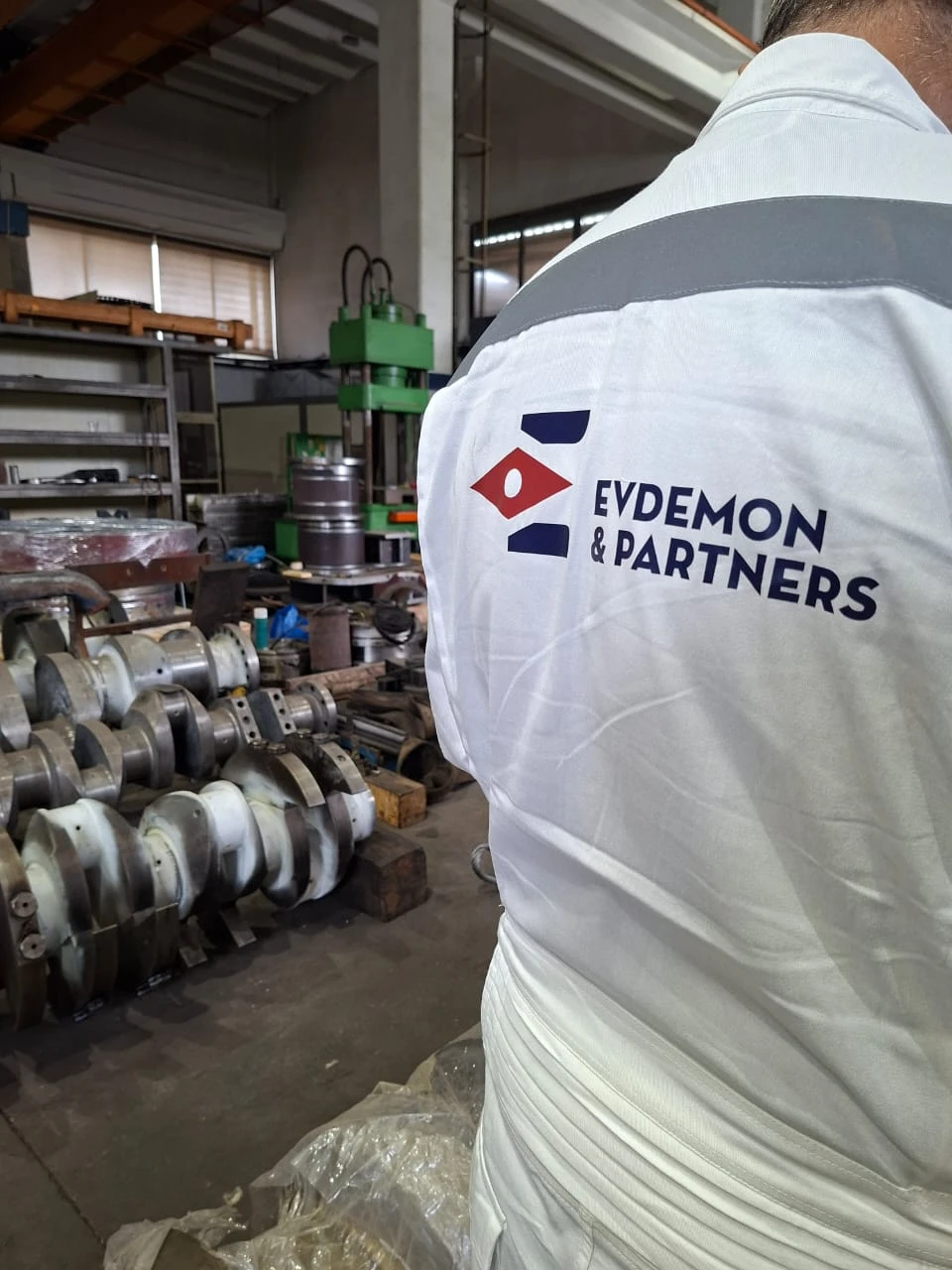
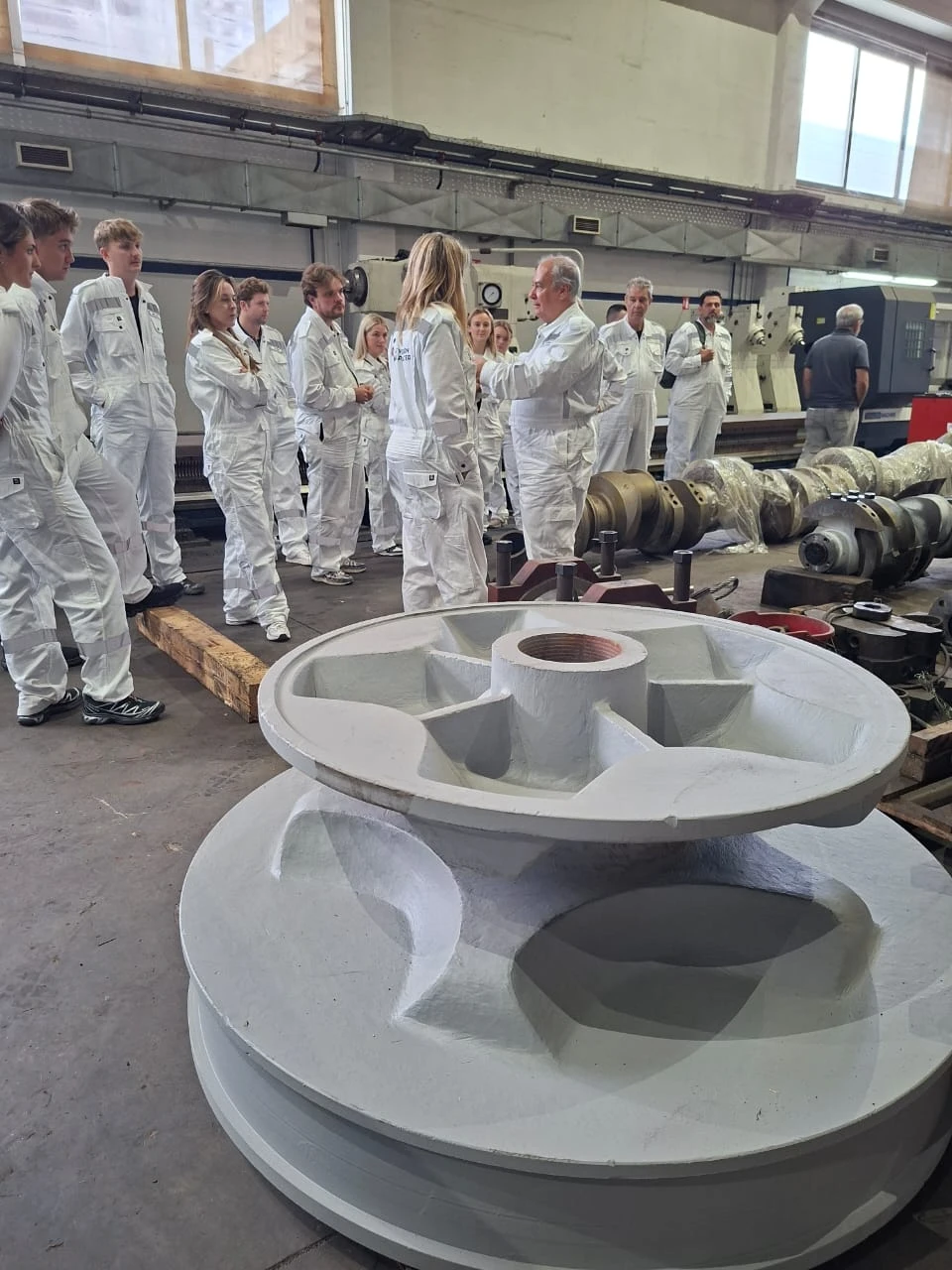
At KIMI SA, the focus shifted to marine engineering, component reconditioning and advanced repair technologies. Participants observed demonstrations of 3D scanning, material analysis, precision machining and CNC equipment, including tailshaft lathes and boring machines. They were also introduced to an AI-automated Gas Metal Arc Welding (GMAW) process used to rebuild piston crowns and cylinder covers, alongside non-destructive testing (NDT) procedures for critical engine components.
These demonstrations highlighted how specialised engineering capabilities can support the repair or reproduction of components that may otherwise be difficult to source, helping reduce repair costs and downtime.
Exploring complex repairs and vessel casualties
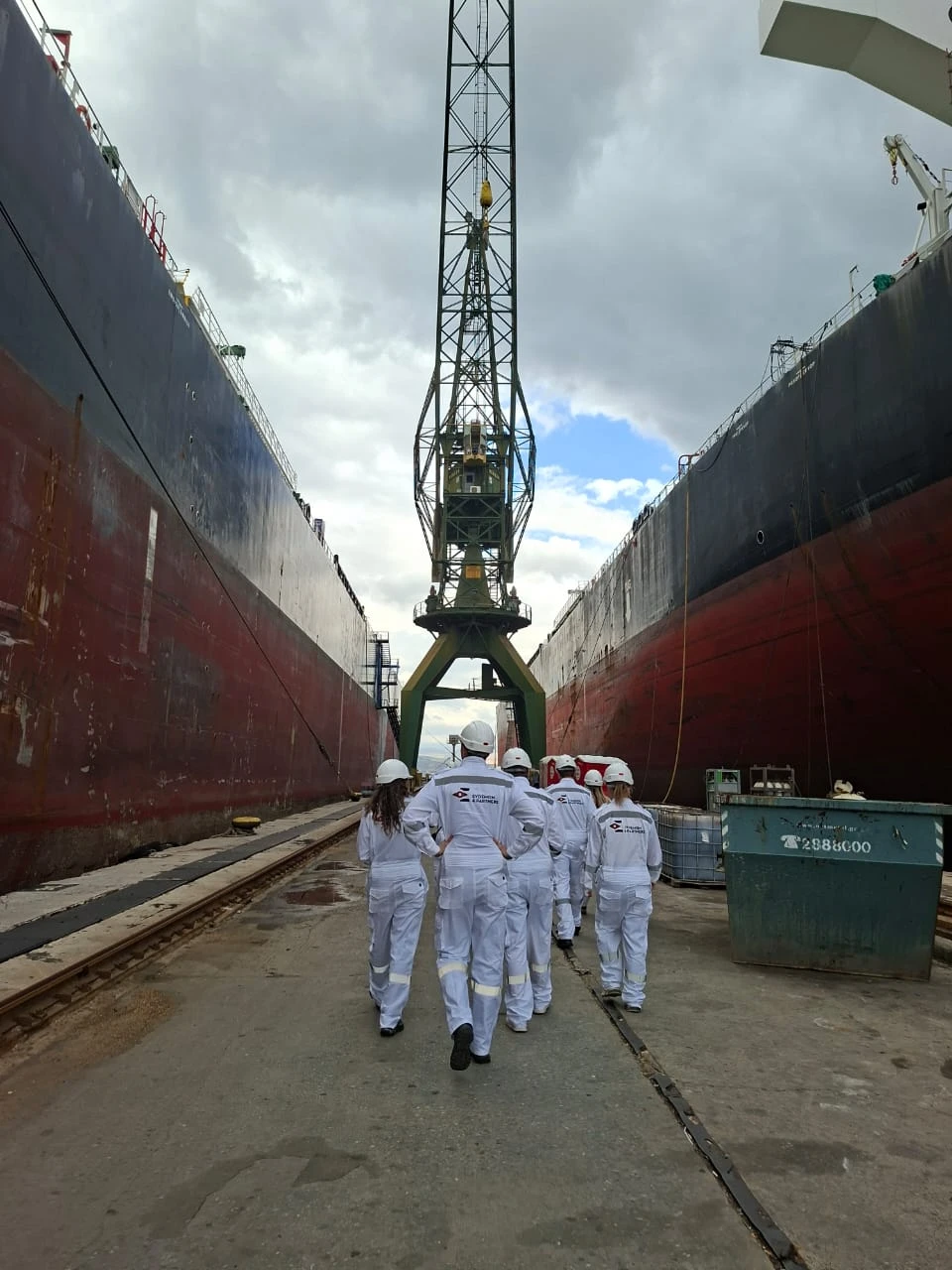
The visit to Skaramangas Shipyards provided further insight into large-scale ship repair and specialized shipbuilding. Participants toured the yard’s facilities, including its Suezmax graving dock, ShipLift and pipe, naval outfitting and machining workshops. They also observed the construction of a 52-metre aluminum luxury sailing yacht and maintenance works on a Hellenic Navy submarine, gaining an appreciation of the precision and technical standards required for complex marine projects.
A key highlight was the visit to a Suezmax tanker, which was undergoing repairs following drone strikes. The group observed damage-related repair works on the main deck, piping and hose-handling crane, as well as the reconstruction of accommodation spaces affected by the incident. Guided visits to the vessel’s navigation bridge, engine room and main engine provided further insight into its technical systems and repair requirements.
A discussion with the vessel’s Master offered an additional perspective on the operational and human implications of such incidents, including the experience of the Master and crew during an actual drone attack.
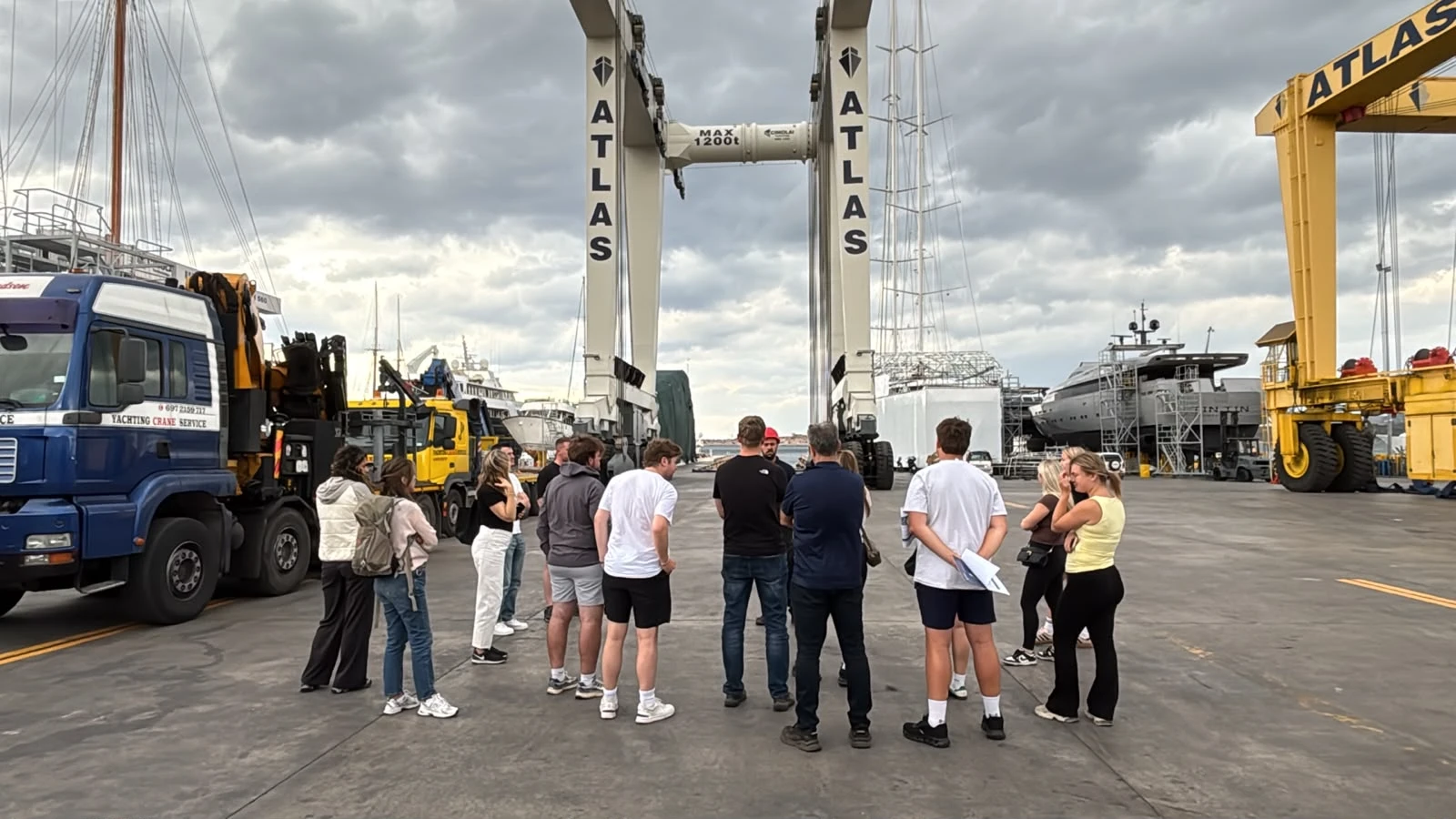
The program concluded at ATLAS Shipyards, where participants explored the yard’s facilities and travel lifts, while learning about yacht maintenance, underwater hull arrangements and the specific considerations involved in handling and repairing large yachts. The visit also included a discussion on the complexities of investigating casualties and assessing the associated claims.
First-hand insight on what technical reports and photographs can only partially convey.
From examining engine components in their actual operating environment to observing repairs following serious vessel damage, this year’s visits brought the technical and operational realities behind marine surveying and insurance claims into sharper focus. The opportunity to see repair works up close, speak with industry professionals and understand the challenges faced by shipowners, shipyards and surveyors provides a valuable perspective on the risks involved throughout a vessel’s lifecycle.
At Evdemon & Partners, we believe that opportunities to connect technical knowledge with real-world experience are essential to developing a deeper understanding of the maritime industry and the risks associated with it. The Survey Familiarization Course remains an important part of this commitment, bringing industry professionals closer to the vessels, people and technical expertise behind our work.